
'/%3E%3C/svg%3E)

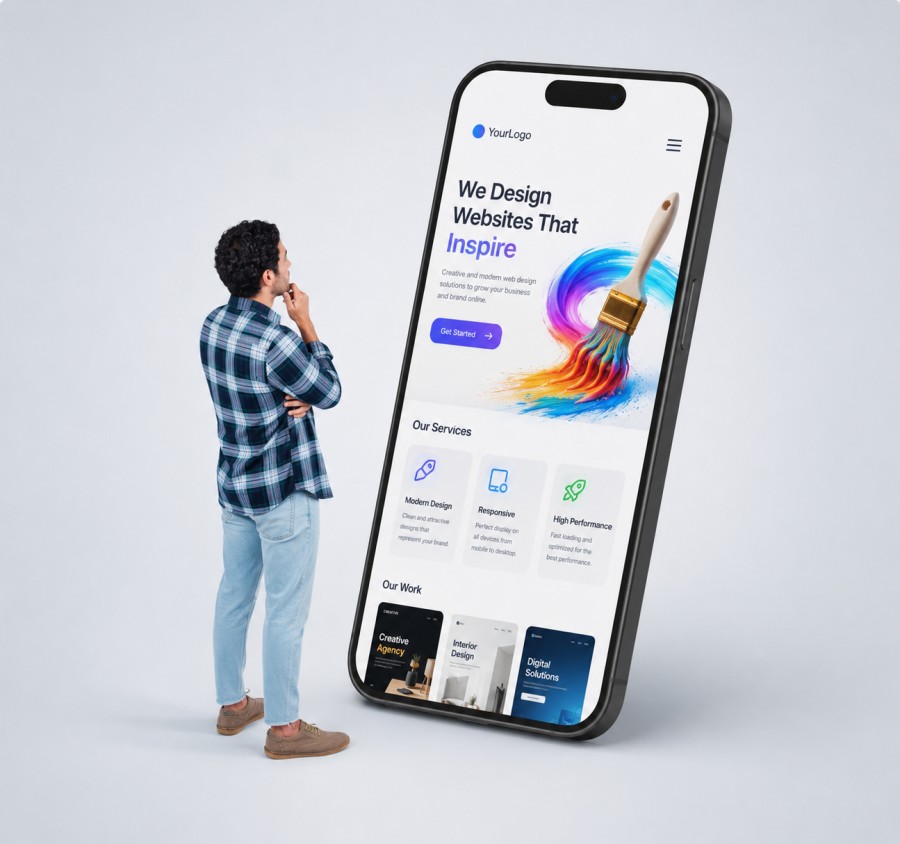

Clear Navigation
Navigation is one of the most important components of website usability. Visitors should immediately understand where they are, what information is available, and how to move between pages without confusion.
Poor navigation often leads to frustration and causes users to leave a website before finding what they need. A well-organized navigation system improves user satisfaction while helping search engines understand the relationship between pages and content. This is why website architecture should be carefully planned from the beginning. SEO-Friendly Website Structure
Mobile Responsiveness
Mobile devices now account for a significant portion of internet traffic worldwide. Users expect websites to function seamlessly on smartphones, tablets, laptops, and desktop computers. A responsive website automatically adjusts its layout and content to provide an optimal experience regardless of screen size. A poor mobile experience can negatively affect both user satisfaction and search rankings.
Fast Load Times
Website speed has a direct impact on engagement and conversions. Visitors expect websites to load quickly, and even small delays can increase bounce rates. Fast-loading websites create smoother experiences and encourage users to explore additional pages. Performance optimization should therefore be treated as an essential part of website design rather than an optional enhancement.
Readability
Most users scan content before deciding whether to read it in detail. Effective website design supports this behavior through clear headings, short paragraphs, visual hierarchy, and sufficient white space. When content is easy to consume, visitors are more likely to stay engaged and continue exploring the website.
Trust and Credibility
Trust plays a major role in user experience. Professional layouts, consistent branding, testimonials, reviews, and clear contact information all help establish credibility. Visitors are far more likely to contact a business or make a purchase when they feel confident in the professionalism of the website.


Typography and Readability
Typography is one of the most important aspects of UI design. The fonts you choose influence how users perceive your brand and how easily they can consume content. Effective typography creates a clear visual hierarchy and improves readability across all devices.
Color and Branding
Color plays a significant role in shaping perception. Consistent use of colors helps strengthen brand recognition and create emotional associations with your business. The most effective websites use color strategically rather than excessively.
Buttons and Calls-to-Action
Buttons are often where conversions happen. Whether users are requesting a quote, booking a consultation, or making a purchase, calls-to-action should be visually distinct and easy to identify. Good UI design makes important actions obvious without feeling aggressive or distracting.
Visual Hierarchy
Visual hierarchy helps users understand what information is most important. Designers use size, spacing, contrast, and positioning to direct attention toward key content and calls-to-action. A strong visual hierarchy improves both usability and conversion rates.
Consistency
Consistency is one of the defining characteristics of professional websites. Navigation styles, button designs, colors, spacing, and typography should remain consistent throughout the website. This creates familiarity and helps users interact with confidence. Ultimately, great UI design is not about making a website look flashy. It is about creating a clean, intuitive, and visually appealing interface that supports usability and business goals.





Full Ownership and Control
Flexible Product Management
SEO-Friendly Foundation
Secure Payments and Integrations
Scalable for Business Growth
Customization and Performance
Website Design Cost
Website design costs can vary depending on factors such as project scope, custom functionality, content requirements, and SEO implementation. Understanding these factors can help businesses plan their budget more effectively. For a detailed pricing breakdown, see our Website Design Cost guide.
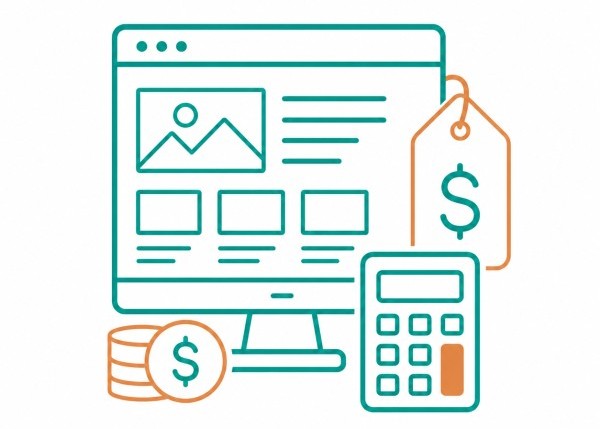
Project Timeline
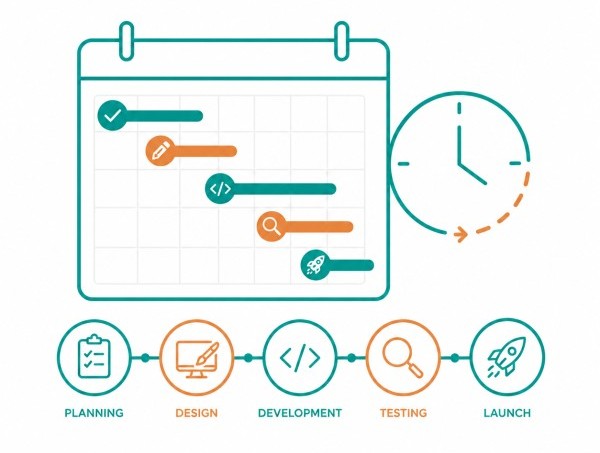
The time required to build a website depends on its size, complexity, and development requirements. Most projects move through stages such as planning, design, development, testing, and launch. Learn more about realistic timelines in How Long Does It Take to Build a Website?.
Website Design Trends
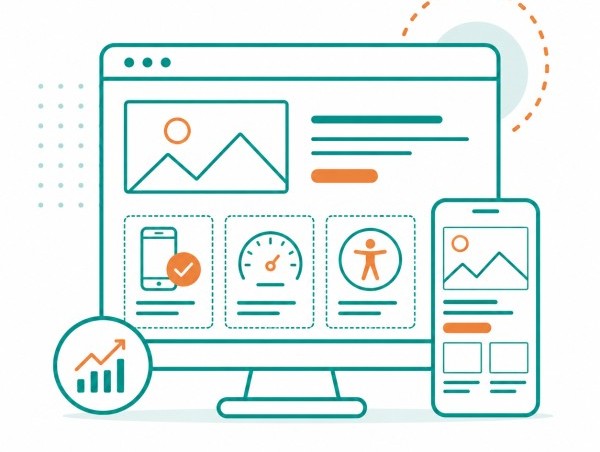
Website design continues to evolve as technology and user expectations change. Current trends focus on mobile-first experiences, faster performance, accessibility, and cleaner user interfaces while maintaining a strong focus on usability.

Mehrnoosh Choobandian
Director of Bazarento
Ph.D. in Marketing
Marketing & Branding Strategist